News for Nur. Stuff that's neat.
Section: Birds
Saturday, October 24, 2026

Starlings, sparrows and doves eating oil palm fruit in Ipoh

Posted by Captain Queso on Saturday October 24, 2026 @12:56PM in Birds
from the palm-oil-diet dept.

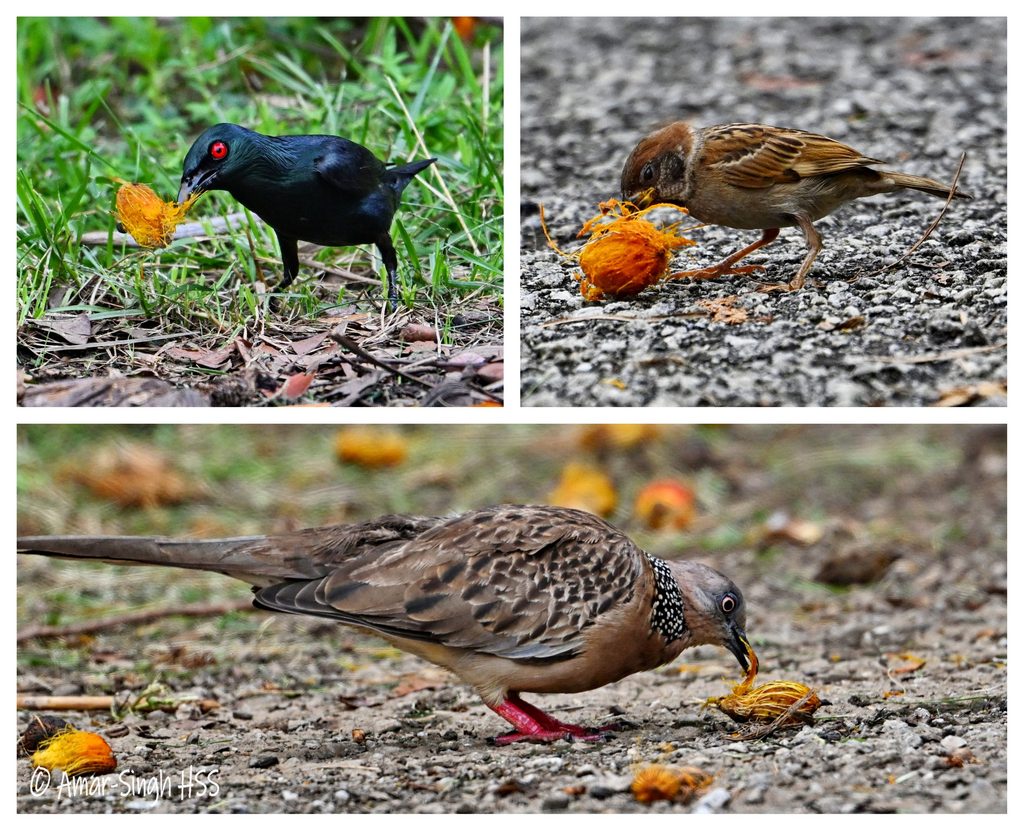
Proper Malaysian field notes, just down the road from Penang: careful watching of who is actually eating the fruit and who is only picking off insects. Sparrows and Spotted Doves at the mesocarp were new even to the observer, which makes this a nice thing to look out for next time you pass a plantation edge.

A Bird Ecology Study Group post from Ipoh, Perak, records Asian Glossy Starlings, Eurasian Tree Sparrows (juveniles included) and Spotted Doves feeding on the flesh of ripe oil palm fruit. The writer notes that the fatty mesocarp is a rich energy source and that the sparrows and doves were new feeders to him.
Read the rest of this story (Bird Ecology Study Group)
Tracking Long Island's Black Skimmers shows where the fish went

Posted by Captain Queso on Saturday October 24, 2026 @6:56AM in Birds
from the skim-reading dept.

Black Skimmers are the birds that fish by ploughing the water with an oversized lower bill, which makes them a neat living sensor for what small fish are doing near the surface. Twenty tagged birds is a modest sample, but enough to show their commute changing.

Audubon and the South Shore Audubon Society report on a project that fitted 20 Black Skimmers at Lido Beach on Long Island with trackers. The movement data point to a shift in where the birds find their fish, and what that could mean for managing their nesting and feeding sites.

A modest Global Big Day on Menorca

Posted by Captain Queso on Saturday October 24, 2026 @6:55AM in Birds
from the island-of-misfit-ticks dept.

Every big-day report wants to boast about the total; this one is happy to admit a small island means a short list, and is better for it. The few birds it does get are good ones, an Egyptian Vulture and Audouin's Gull among them, which is the solo birder's eternal consolation.

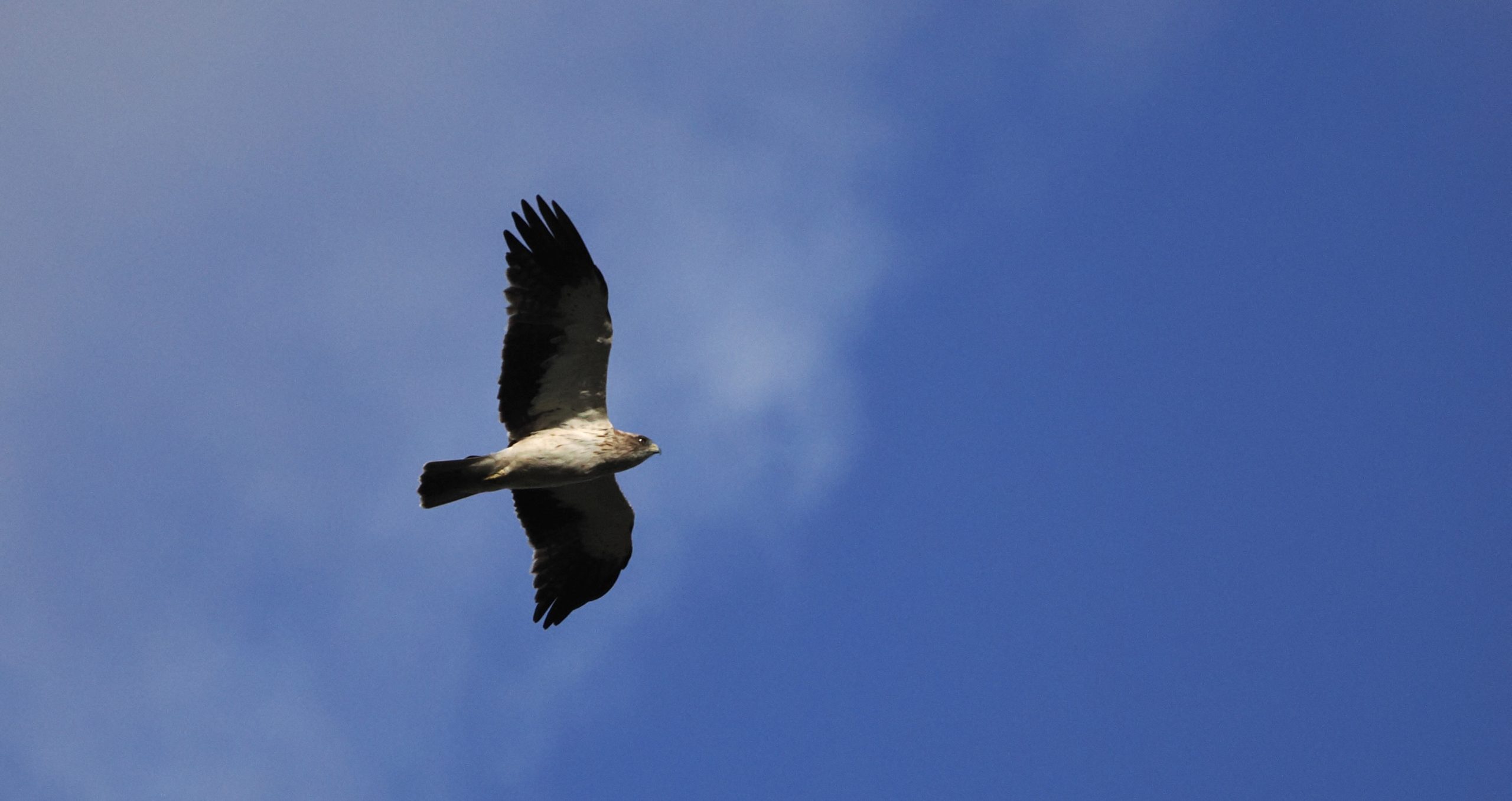
A 10,000 Birds writer spent the October Global Big Day on the Balearic island of Menorca, knowing island birding would keep the count low. The post walks through the day's sightings, including Audouin's Gull, Booted Eagle, Egyptian Vulture and Bluethroat.
Friday, October 23, 2026

Species spotlight: the Black-crowned Night Heron, the world's most widespread heron

Posted by Captain Queso on Friday October 23, 2026 @9:52PM in Birds
from the up-past-your-bedtime dept.

A familiar squat shape at dusk in Penang's mangroves and fish ponds, and it turns out the bird has an odd research footnote or two. Watch for the curious nestling sex-ratio study. A good reminder that the commonest birds are often the least looked at.

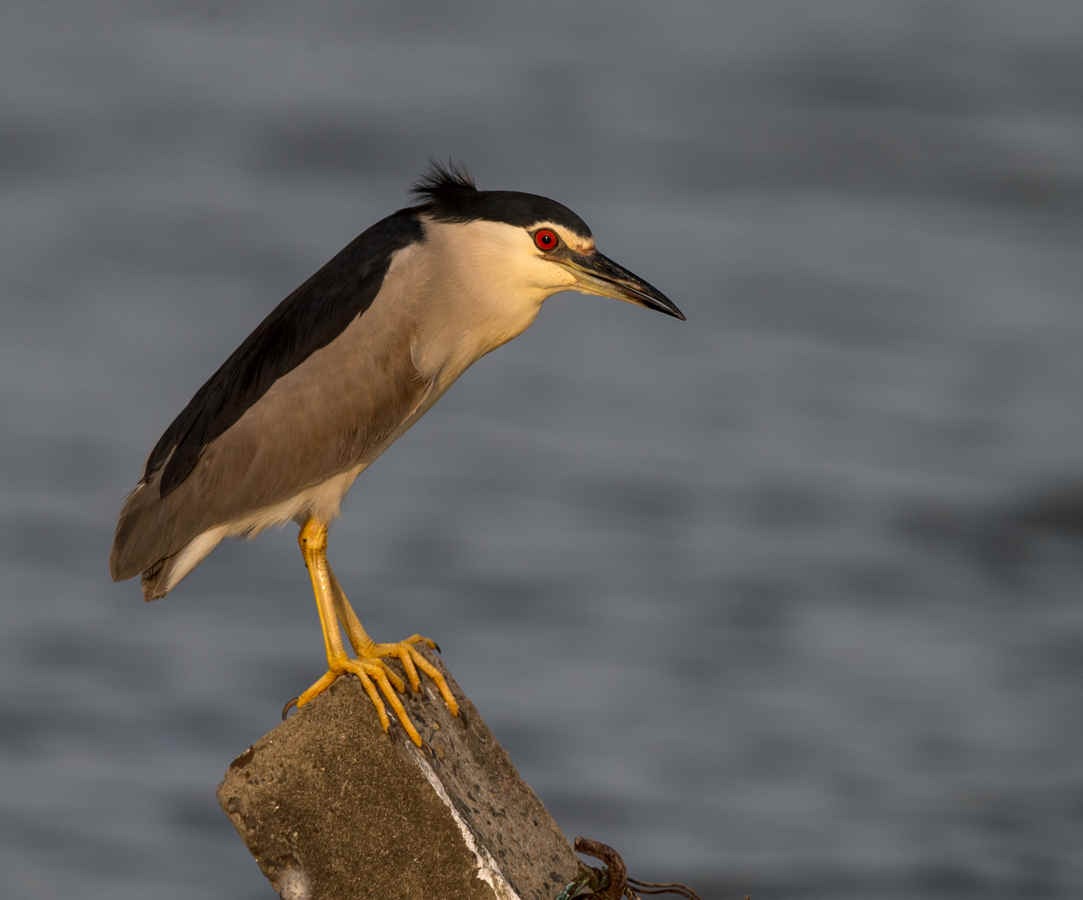
A 10,000 Birds profile of the Black-crowned Night Heron, found on every continent bar Australia and Antarctica. It rounds up the species' many nicknames and some of the science, including a small study in which most nestlings examined were male, with no link found to nest site, timing or brood size.

Seabird guano helps keep tropical atolls above the rising sea

Posted by Captain Queso on Friday October 23, 2026 @5:52PM in Birds
from the a-little-help-from-my-boobies dept.

A pleasant reversal of the usual climate story: the birds are part of the engineering. Seabirds haul nutrients from open ocean to roost, and that fertiliser feeds the reef that builds the island. Keep the native trees and the rats out, and the atoll can keep pace.

A study in Science Advances traces how nutrients in seabird droppings move through the land and reef ecosystems of low-lying atolls. Islands with healthy native forest and large seabird colonies appear better able to build and maintain the reef structure that keeps them above rising seas.

A Velvet-fronted Nuthatch near Ipoh grabs fruit instead of insects

Posted by Captain Queso on Friday October 23, 2026 @5:51PM in Birds
from the nuts-about-macaranga dept.

The sort of note only a patient local birder produces: decades watching one species, then one morning it does something off-script. It's a Peninsular Malaysia record, a short drive from Penang, and a good reminder that field guides are drafts. Bring binoculars to the next fruiting Macaranga.

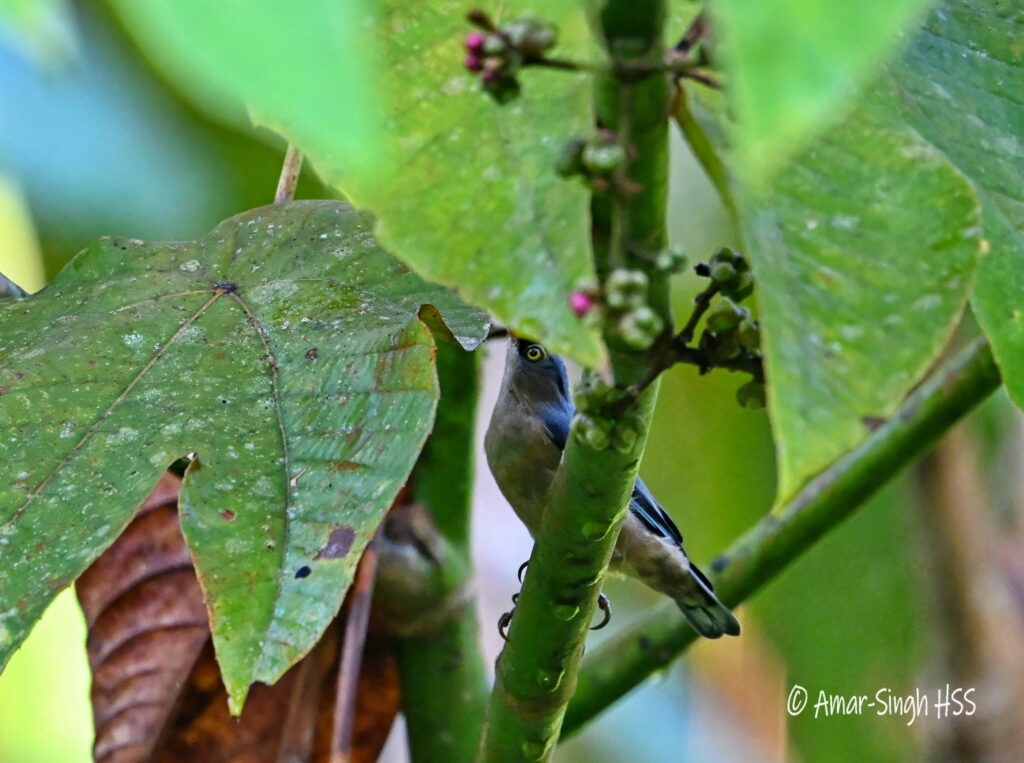
An observer near Ipoh, Perak, describes a lone male Velvet-fronted Nuthatch, usually seen in pairs or family groups, snatching a fruit from a Macaranga bancana tree and flying off with it. The behaviour is unusual for a bird thought of as an insect-gleaner, and the writer suggests it may have been feeding nestlings.
Read the rest of this story (Bird Ecology Study Group)

Googly-eyed buoys and hawk kites keep seabirds out of fishing nets

Posted by Captain Queso on Friday October 23, 2026 @2:43PM in Birds
from the here's-looking-at-you-guillemot dept.

Low-tech, slightly absurd, and it works: a spinning pair of big eyes on a pole, or a kite shaped like a bird of prey, hovering over the nets. Guillemots and razorbills dive for fish and can drown in gillnets, so anything that makes them think twice is a win. The kite version did better, which tells you something about what an auk fears most.

A study off the Cornish coast tested two scare devices on gillnets: buoys topped with spinning oversized eyes and kites made to look like raptors. Both cut the chance of catching diving auks, with the kites reducing the odds by about 71 percent and the eye buoys by about 59 percent.

The Malaysian Bird Report's September issue: gulls, hornbill hybrids and a new wagtail

Posted by Captain Queso on Friday October 23, 2026 @9:15AM in Birds
from the local-patch-notes dept.

Home-turf reading for a Penang birder. The highlights are a possible cross between Black and Oriental Pied Hornbills, a cuckoo eating eggs, and a White Wagtail subspecies never before recorded in Malaysia. It is citizen science at its best: careful notes by people who simply go out and look.

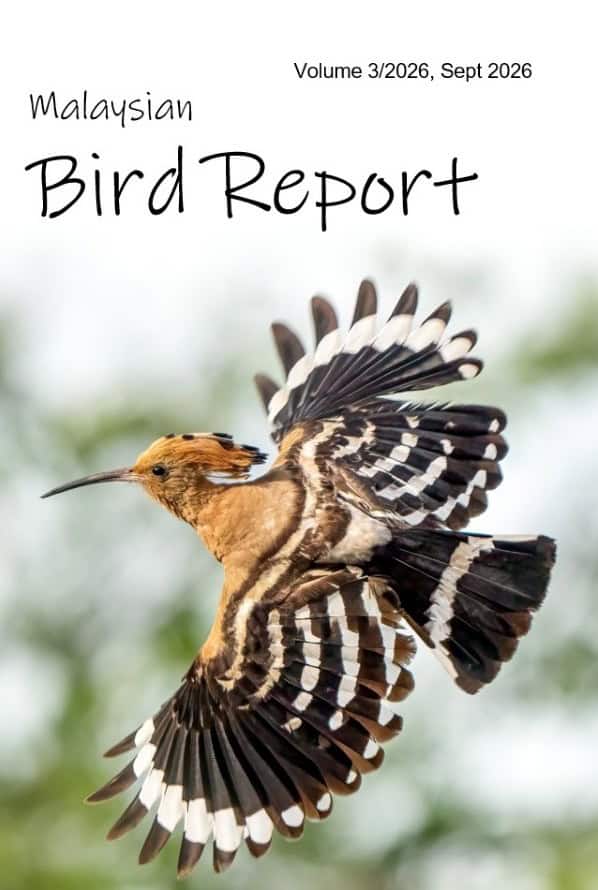
The new issue of the free Malaysian Bird Report has gulls gathering on the North Selangor coast, possible hornbill hybrids, odd feeding records and nesting accounts for Orange-breasted Trogon, Green Broadbill and Common Hoopoe. There is also a special report on the Critically Endangered Chinese Crested Tern, and tributes to Lord Medway and David Hogan Jr. The post links to the full issue for download.
Read the rest of this story (Bird Ecology Study Group)
Crows make decisions about twice as fast as monkeys

Posted by Captain Queso on Friday October 23, 2026 @3:27AM in Birds
from the as-the-crow-thinks dept.

Corvids keep embarrassing the primates. Two carrion crows named Iggy and Lemmy, which is reason enough to read it, beat monkeys handily on a classic perception task, and their neurons gave the game away within 70 milliseconds. The open question of why bird brains run so fast is the fun part.

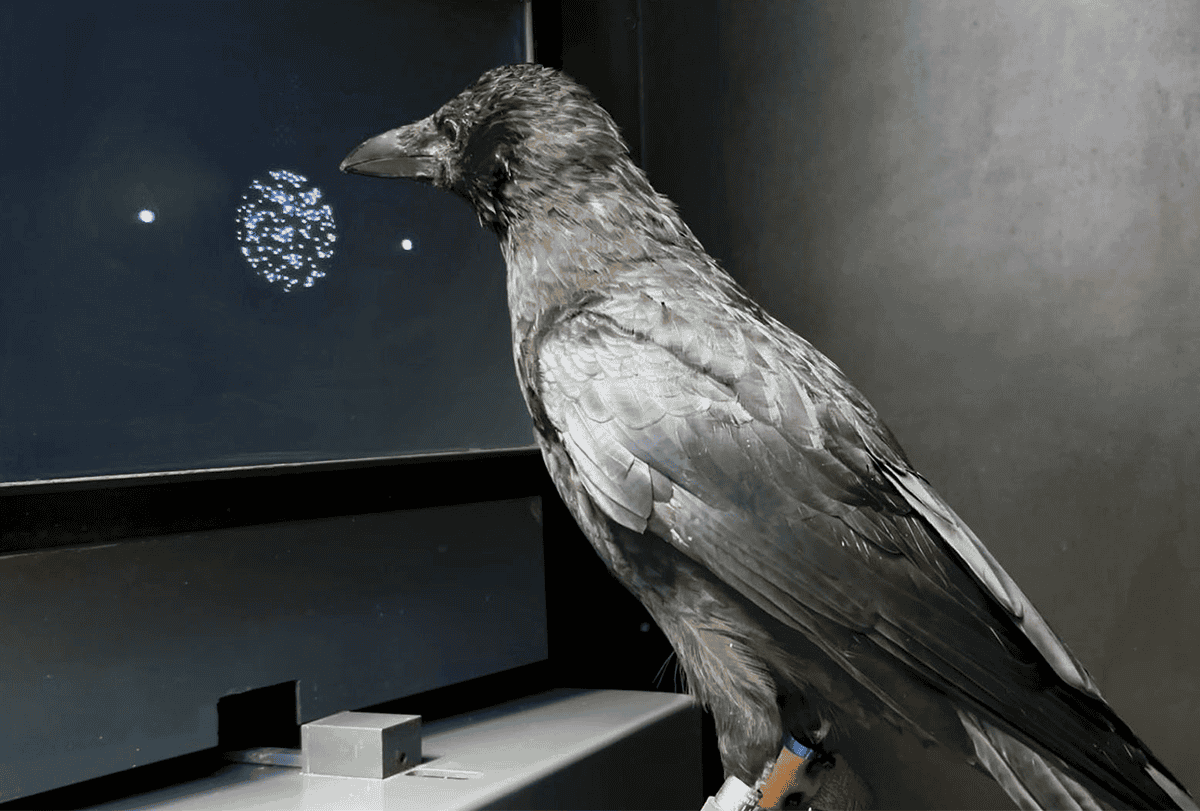
A study in Science from Andreas Nieder's lab in Tübingen trained carrion crows on a moving-dots decision task and recorded from a brain region that plays a role like the primate prefrontal cortex. The crows answered in about a quarter of a second, roughly twice as quickly as primates, and researchers suggest densely packed neurons, shorter wiring and warmer bodies as possible reasons.
Read the rest of this story (The Transmitter)

A Jurassic bird that had already given up on flying

Posted by Captain Queso on Friday October 23, 2026 @2:48AM in Birds
from the grounded-before-takeoff dept.

We tend to tell bird evolution as a straight line towards the sky, and this one walks right off that script. Barely past Archaeopteryx on the family tree, it already had stubby arms and runner's legs, plus a raptor-style sickle claw for good measure. Bird science with a dinosaur chaser.

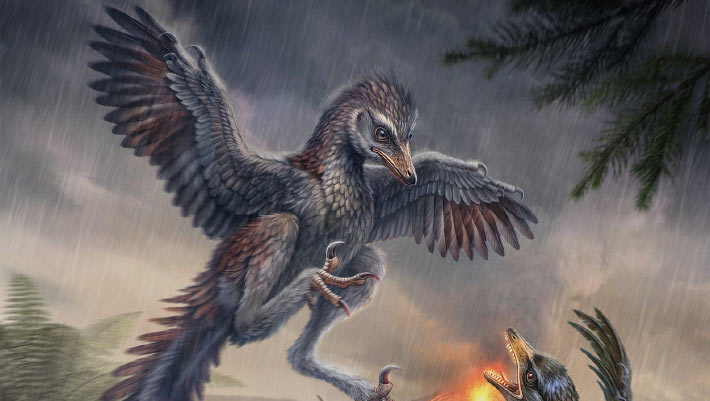
Yuezhuornis yangyuanensis, about 150 million years old from Fujian in southeastern China, sits among the earliest birds but has short forelimbs and limb proportions like modern ground birds, suggesting it could not fly. It also kept serrated teeth and a hyperextensible second toe. The study, by a team including the Institute of Vertebrate Paleontology in Beijing, appeared in Nature.

Five lost birds found again, including a Bismarck kingfisher

Posted by Captain Queso on Friday October 23, 2026 @1:44AM in Birds
from the found-in-the-forest-not-the-feed dept.

A properly hopeful bird story from the neighbourhood: every rediscovery here is from the Philippines, Indonesian Papua or Papua New Guinea. Each came from patient local birders and guides with a camera rather than a big expedition, which a solo birder may find encouraging.

The latest update to the Lost Birds List records five species photographed again in 2025 after gaps of a decade or more, among them the Bismarck kingfisher, the Sulu cuckooshrike and the rufous-breasted blue flycatcher. The list of lost birds has shrunk from 163 in 2022 to 120.

The helmeted hornbill, Malaysia's head-butting, cackling forest giant

Posted by Captain Queso on Friday October 23, 2026 @1:14AM in Birds
from the casque-and-effect dept.

A local bird with a solid-ivory battering ram on its face and a call that speeds up into maniacal laughter audible kilometres away. The section on males jousting in mid-air is the highlight. Also worth noticing the Malay folk name, which hints at what people thought that laugh sounded like.

The helmeted hornbill lives in lowland forests from southern Myanmar and Thailand through the Malay Peninsula, Sumatra and Borneo. Unlike other hornbills its casque is nearly solid, and males use it to ram rivals in flight. Demand for that casque has driven heavy poaching, and the species has been listed as Critically Endangered since 2015.