News for Nur. Stuff that's neat.
Section: Economics
Friday, October 23, 2026

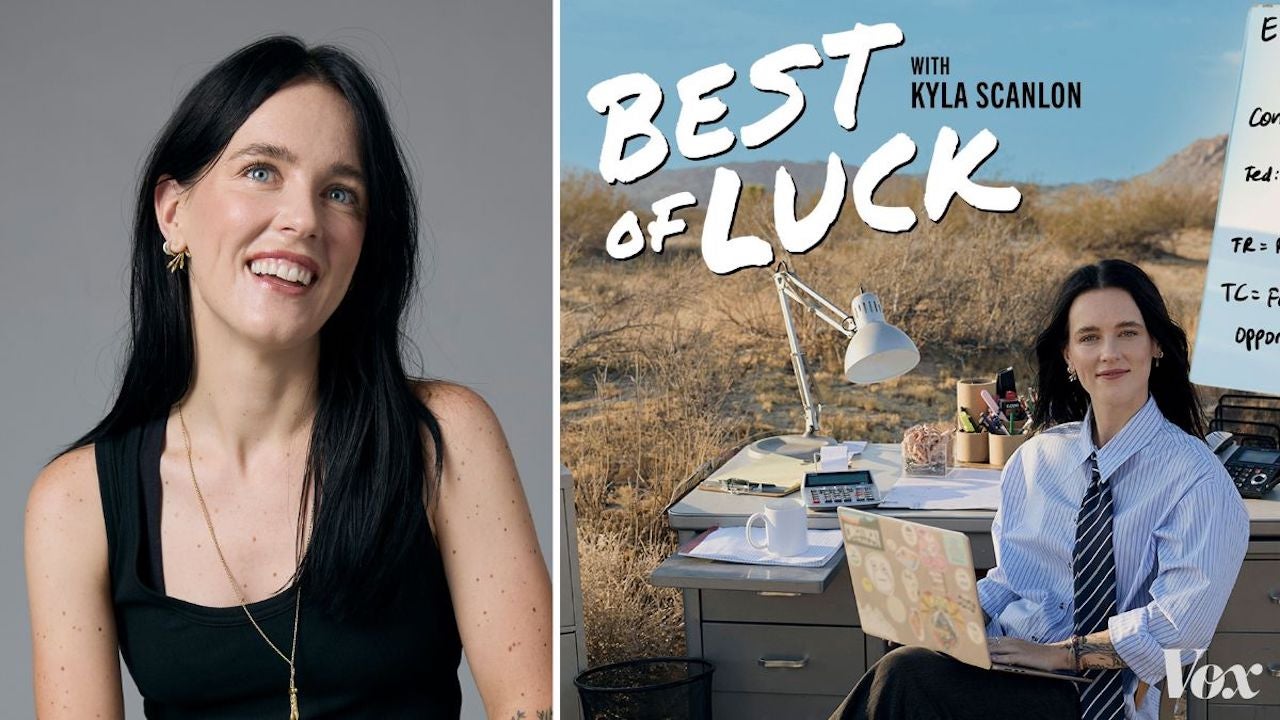
Kyla Scanlon's new Vox podcast, Best of Luck, starts 27 October

Posted by Captain Queso on Friday October 23, 2026 @9:12AM in Economics
from the advice-autopsy dept.

Her Bluesky post announced it with a YouTube link, so here is a page you can actually read instead. The format is the draw: guests sit a mock job interview, then Scanlon takes their career advice apart and ties it back to how the economy actually works. A gentler way to take the economic temperature than the news.

Kyla Scanlon is hosting Best of Luck, a career-advice interview show made with Vox and premiering 27 October 2026. Guests range from economists and journalists to farmers and comedians. It will be on YouTube, Apple Podcasts and Spotify as part of the Vox Media Podcast Network.

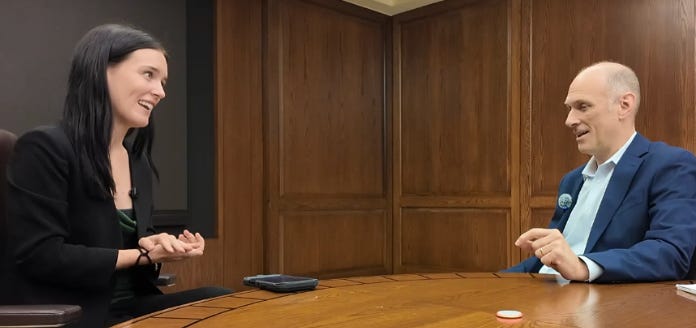
Kyla Scanlon interviews Austan Goolsbee on vibes versus data

Posted by Captain Queso on Friday October 23, 2026 @3:28AM in Economics
from the feelings-are-not-a-leading-indicator dept.

A central banker explaining, in plain terms, why the numbers and the national mood have stopped agreeing. Scanlon asks the questions you would want asked and lets him think out loud. The low-hire, low-fire labour market is the phrase to remember.

The Chicago Fed president talks about why consumer sentiment has become a weaker guide to spending, what drives people's gloom about prices, the slow-moving jobs market, and whether the AI data-centre boom is a demand shock the Fed needs to watch. The full transcript is free to read.
Read the rest of this story (Kyla Scanlon (Substack))

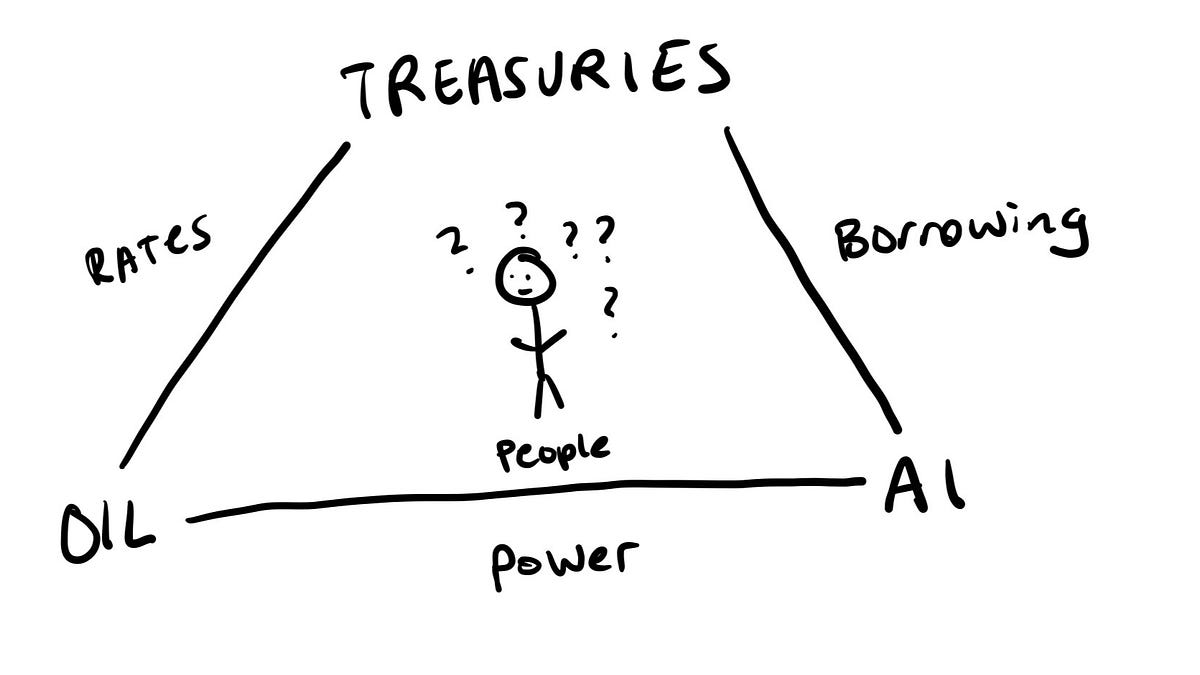
Kyla Scanlon on the Shrugflation Triangle: oil, AI spending and Treasuries

Posted by Captain Queso on Friday October 23, 2026 @2:47AM in Economics
from the it's-all-connected-man dept.

Plenty of people will tell you the economy feels weird; Scanlon actually draws the wiring diagram. The useful idea here is how three separate stories, energy prices, the data-centre building spree and government borrowing, push on each other. Calm, numerate and free to read.

Scanlon argues that higher oil prices, massive borrowing to fund AI infrastructure, and a large federal deficit are feeding into one another through interest rates and Treasury demand, and looks at who ends up carrying the cost. She backs it with recent figures on fuel prices, consumer sentiment, hyperscaler spending and the fiscal year's books.
Read the rest of this story (Kyla Scanlon (Substack))