News for Nur. Stuff that's neat.
Section: Open source
Saturday, October 24, 2026

A stock Game Boy Advance becomes a chiptune synth over the link cable

Posted by Captain Queso on Saturday October 24, 2026 @5:55PM in Open source
from the multiboot-and-mixing-desk dept.

The nice trick here is that nothing gets opened up: the GBA's old multiboot feature, built so friends could share one cartridge, now ships a synthesizer straight into RAM. No soldering iron, no sacrificed consoles, just a link cable and some very period-correct bleeps.

Hackaday covers a synthesizer that runs on an unmodified Game Boy Advance by loading its code through the console's multiboot link-cable feature. Connected to a computer, the GBA boots the synth into memory and plays through its headphone jack, with controls on both the console and the PC.

RepRapMicron prints a Benchy you could lose by sneezing

Posted by Captain Queso on Saturday October 24, 2026 @12:54PM in Open source
from the honey-I-shrunk-the-printer dept.

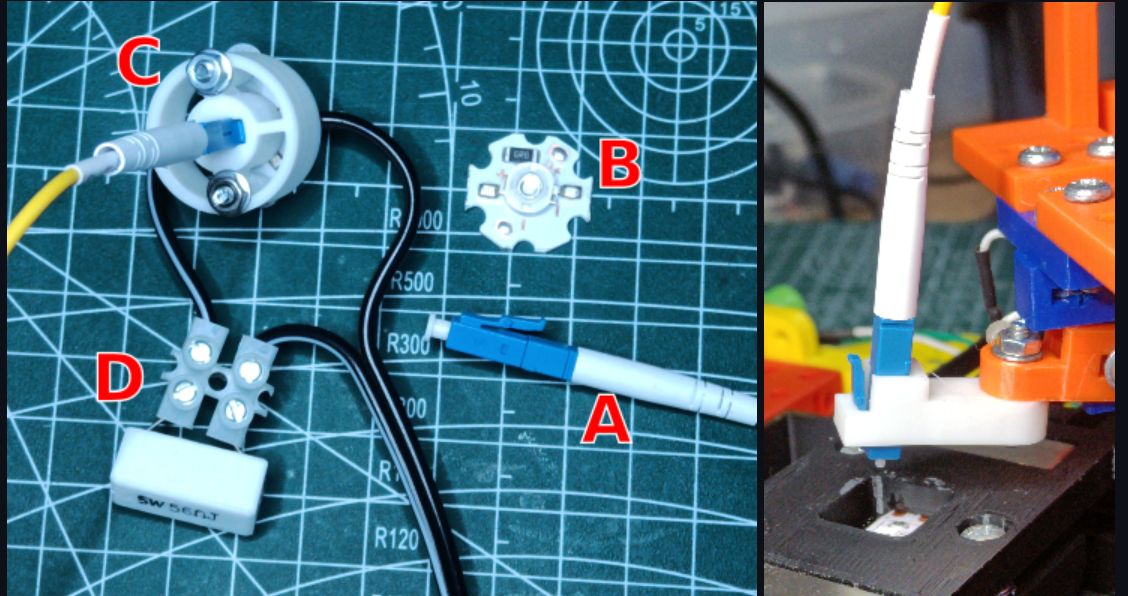
The RepRap dream of machines that build things, scaled down to the micron. The new head is mostly off-the-shelf fibre and UV LEDs, which is exactly the build-it-in-your-shed spirit; the resulting Benchy is small enough that photographing it is the hard part.

Hackaday covers the latest addition to the open RepRapMicron project: a UV print head that pipes light from a UV LED through single-mode optical fibre to cure resin in place. It reaches a resolution of around nine micrometres, demonstrated with a tiny Benchy.

A build-it-yourself FM sound cartridge for the MSX

Posted by Captain Queso on Saturday October 24, 2026 @6:53AM in Open source
from the opn-sesame dept.

New hardware for a 1983 home computer standard, released because someone wanted it to exist, is exactly the spirit this category is for. The Yamaha FM chip at its heart will sound instantly familiar to anyone who heard late-80s Japanese game music.

Ricardo Suzuki's Misato MSX is a do-it-yourself sound expansion cartridge built around the Yamaha YMF288 (OPN3), giving the MSX six FM channels, three SSG channels and rhythm voices. Paired with a decent DAC, it can play OPN music or be used for new compositions, with its own stereo output.
Friday, October 23, 2026

DOOM on a cheap clamp meter with 32 KB of RAM

Posted by Captain Queso on Friday October 23, 2026 @9:46PM in Open source
from the it-measures-amps-and-imps dept.

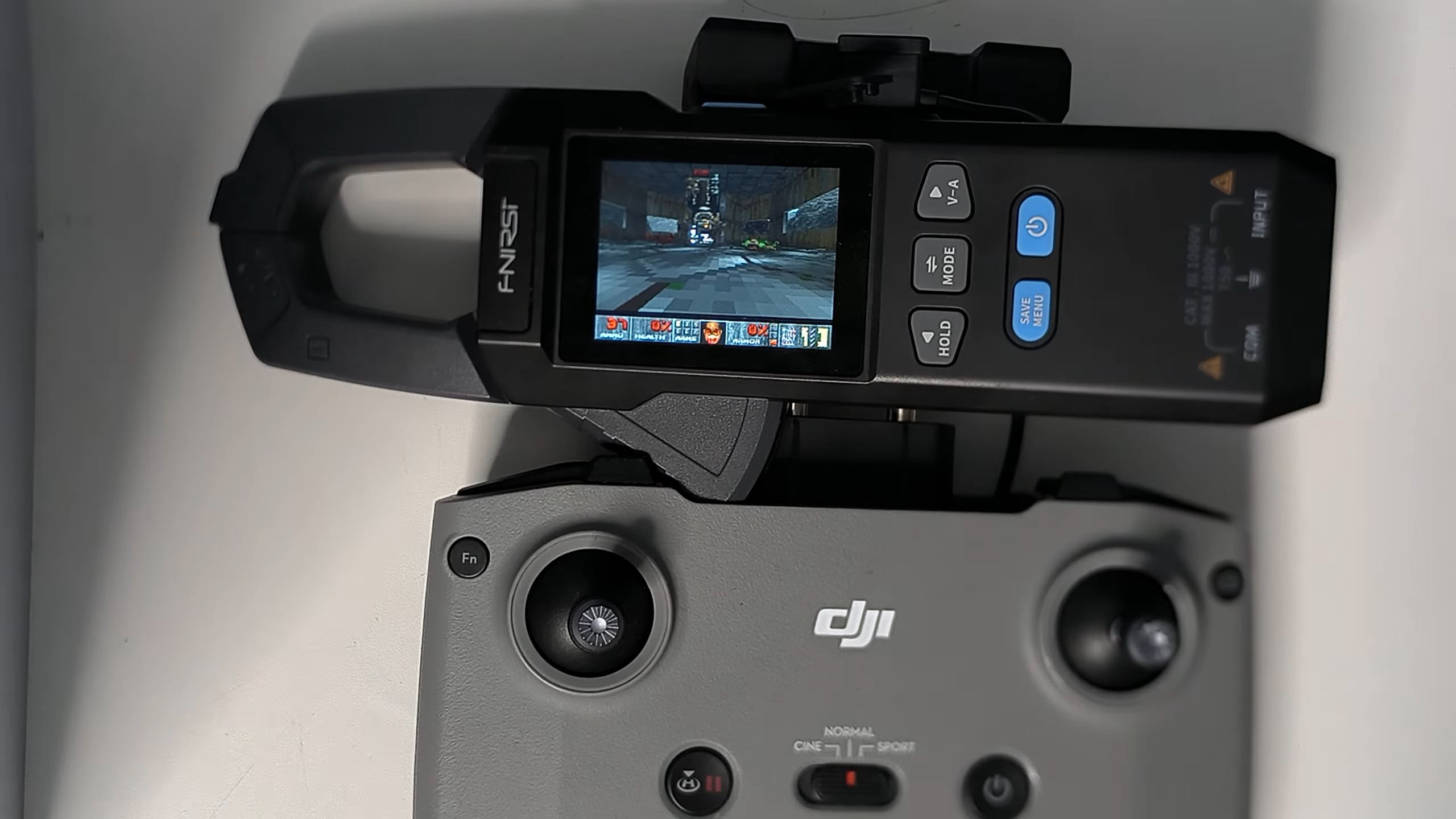
The 'does it run DOOM' question gets a new answer, and this one is impressive on memory alone: 32 KB is a fraction of the 4 MB the original wanted in 1993. The whole first Freedoom episode is there, saves and all. The drone-controller gamepad is the cherry on top.

Artur Bieniek got the doomgeneric engine running on a roughly 30-dollar FNIRSI clamp meter, whose Artery microcontroller runs at 150 MHz but has only 32 KB of RAM. All nine maps of Freedoom's first episode play in colour on the 320 by 240 screen, with buzzer sound effects and controls from a drone remote.

Bringing a Soviet ES-4001 mainframe control panel back to life

Posted by Captain Queso on Friday October 23, 2026 @5:48PM in Open source
from the system-360-comrade dept.

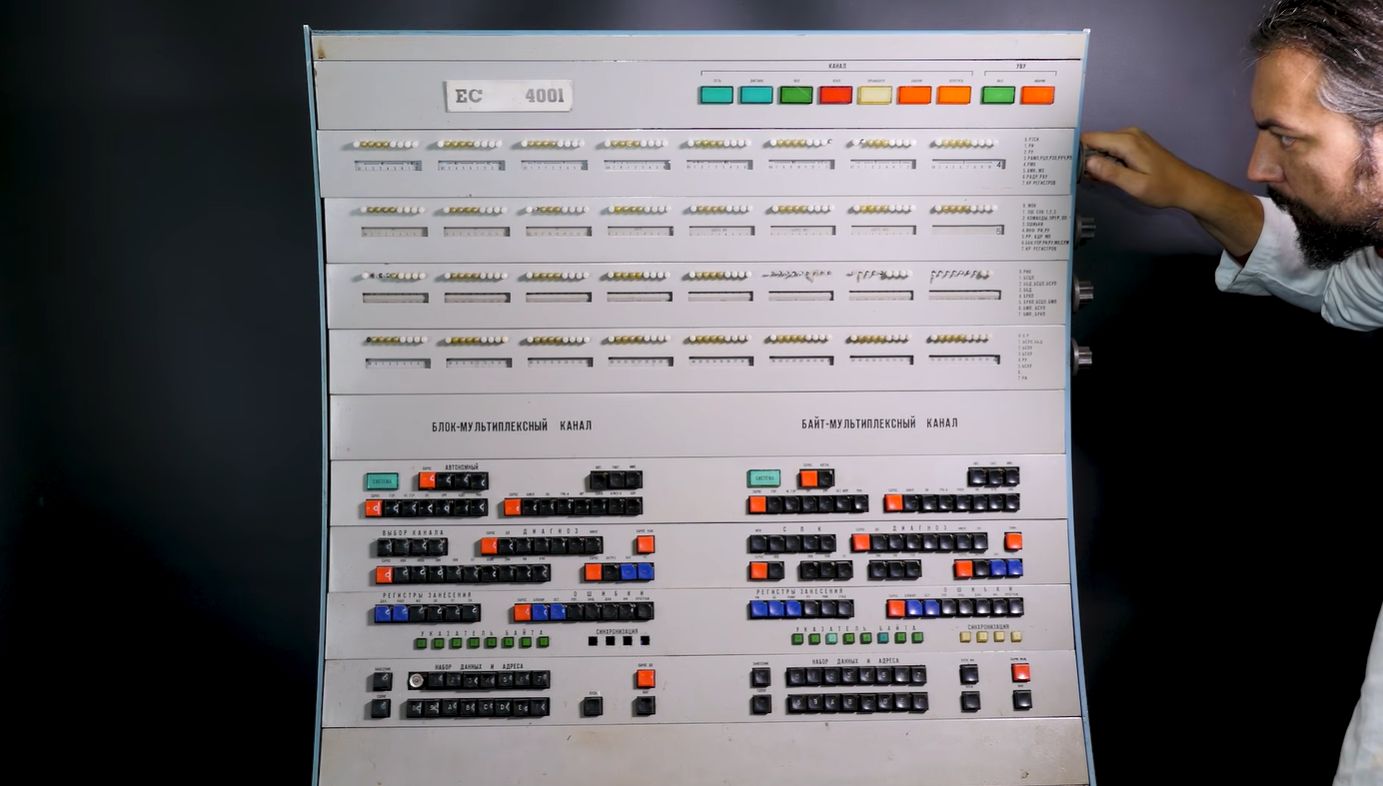
The Soviet ES EVM line cloned IBM's System/360 and 370, yet the hardware ended up quite unlike the originals, and only a few hundred of these machines were built. This team nursed a battered front panel back into working order and explains the switches along the way. Lamps-and-toggles restoration in its purest form.

A YouTube group interested in Soviet technology restored an early-1980s control panel from an ES-4001, one of the USSR's IBM-compatible mainframes. Their interest started at the Duga radar site near Chornobyl, whose ES-1060 was never commissioned; this panel came from an ordinary data centre and needed repair after being ripped out of its machine.

Rescuing old Wi-Fi radios with a little stream converter

Posted by Captain Queso on Friday October 23, 2026 @2:39PM in Open source
from the video-killed-the-radio-format dept.

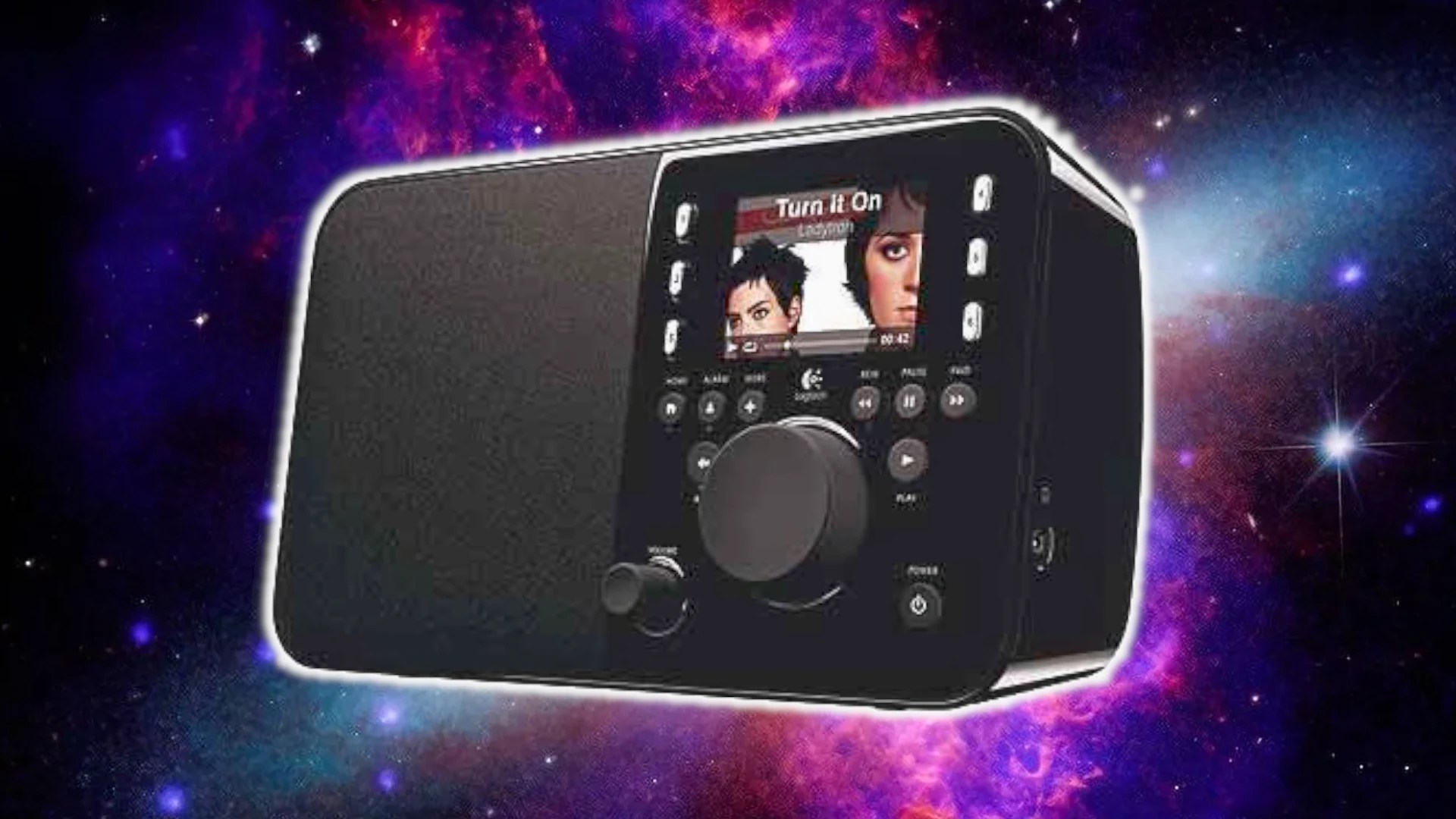
There is a whole generation of perfectly good internet radios going deaf because stations moved to newer streaming formats. Clifford Farrugia's answer is pleasingly small: a Raspberry Pi in the corner that translates the new streams back into plain old MP3. This is the late-90s spirit in miniature, one person keeping a gadget out of the landfill and sharing the fix.

Many older internet radio appliances can't play stations that have switched to HLS streaming. The open-source HLS Radio Converter runs on modest hardware such as a Raspberry Pi and re-serves those streams as ordinary HTTP MP3 streams that the old radios understand.

An open-source capacitive linear encoder, good to about 40 micrometres

Posted by Captain Queso on Friday October 23, 2026 @9:11AM in Open source
from the calipers-unbound dept.

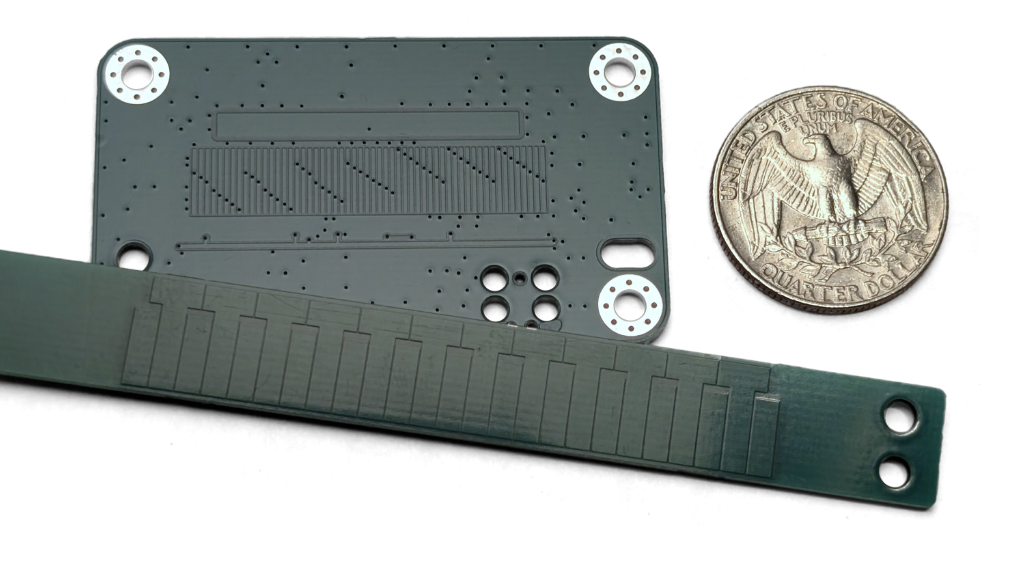
The trick inside every cheap digital caliper, pulled out, explained and given away. It is a nice example of the old spirit: one person works out how something clever works, builds their own and publishes the boards for anyone to copy. Rev B is in progress.

Nick's encoder has an STM32 drive a grid of transmit antennas on one PCB, coupling through a reflector PCB to measure displacement to roughly 40 micrometres. The design files and schematics are on GitHub, and Hackaday featured the project on 22 October.

LTTng and the out-of-tree tracer catch-22, from Plumbers 2026

Posted by Captain Queso on Friday October 23, 2026 @2:43AM in Open source
from the export-symbol-or-bust dept.

Two decades of LTTng, and its maintainer still cannot upstream it piece by piece because the kernel will not export symbols with no in-tree user. Jake Edge's write-up is a fair, detailed look at a real engineering knot rather than a flame war. Anyone who has carried an out-of-tree module will nod along.

At the Linux Plumbers Conference, Mathieu Desnoyers led a session on how LTTng could work better alongside ftrace and perf. The discussion covered the rule against exporting unused symbols, duplicated tracing infrastructure, different ring-buffer needs, and whether a middle path exists between staying out of tree and merging everything at once.

Booting Linux on a Nokia E6 by hijacking Symbian at runtime

Posted by Captain Queso on Friday October 23, 2026 @1:45AM in Open source
from the connecting-people-to-busybox dept.

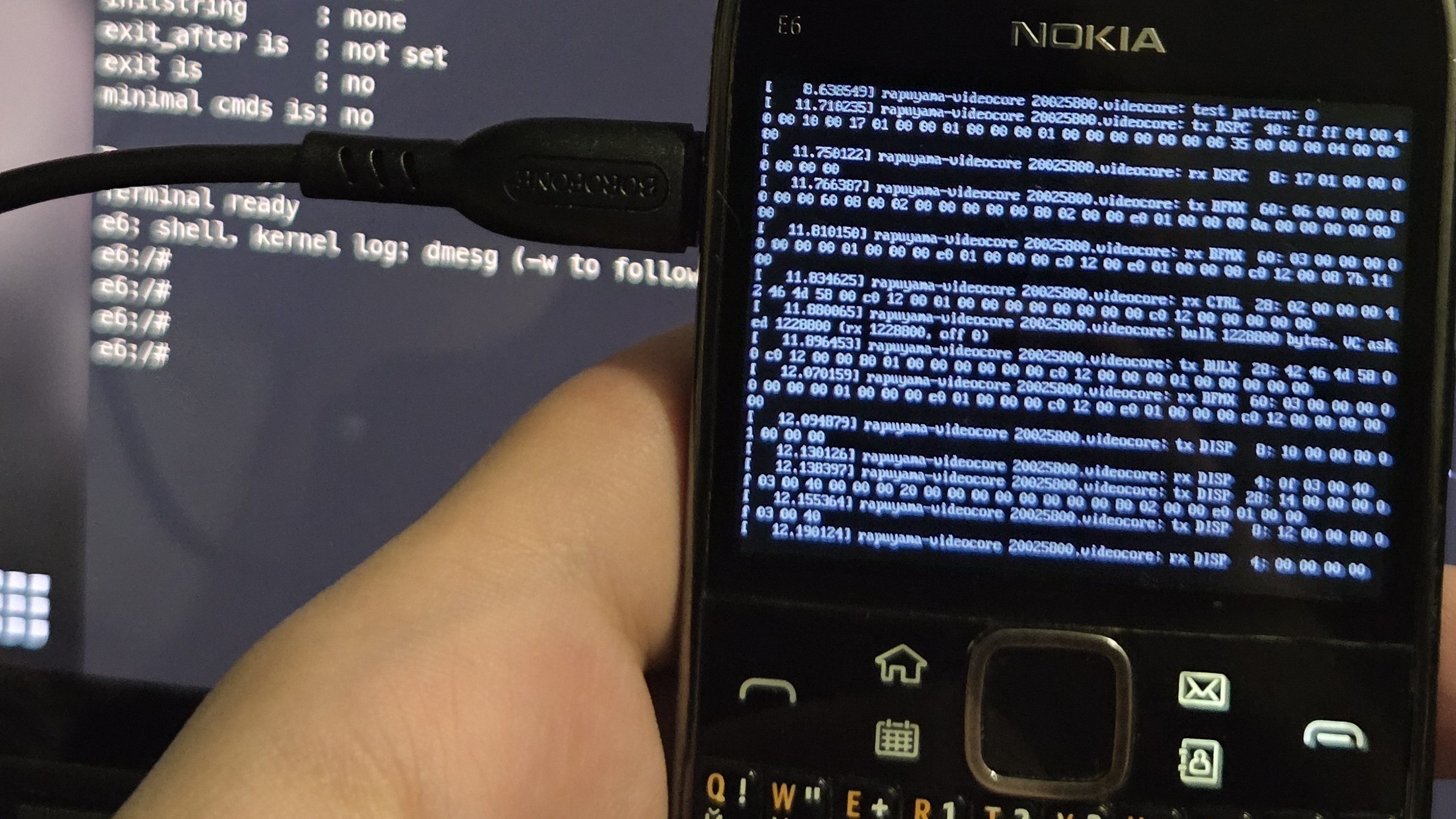
Pure late-90s energy: no unlocked bootloader, so a Symbian app loads a kernel, switches off the MMU and jumps. The display works by replaying messages sniffed from Nokia's own driver. The open puzzle, a mystery reset a few minutes after boot that may be the baseband watching over things, is the kind of bug kernel people lose weekends to.

A hobby project bringing a modern Linux 6.12 kernel up on the Nokia E6, an ARM11 phone from 2011. It boots to a BusyBox shell with the screen, keyboard and touchscreen working, and the repo includes build steps and detailed notes on the reset problem still being chased.