News for Nur. Stuff that's neat.
Section: Wildcard
Saturday, October 24, 2026

Dating The Starry Night by its moon

Posted by Captain Queso on Saturday October 24, 2026 @5:50PM in Wildcard
from the waning-gibbous-objection dept.
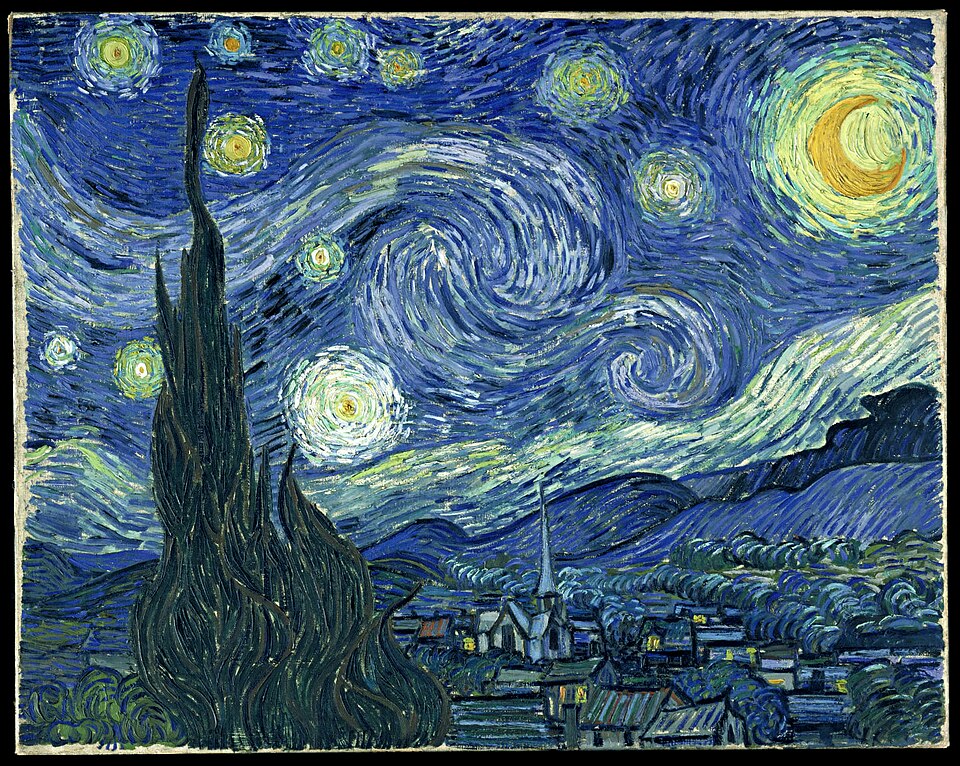
Someone finally checked the sky against the canvas: in mid-June 1889 the moon over Saint-Rémy should have been fat and waning, not the crescent Vincent painted. Astronomy as art history, which is the best kind of pedantry.

Van Gogh's The Starry Night is usually dated to mid-June 1889 from a letter to his brother Theo. A Kyung Hee University doctoral student noticed the moon phase was wrong for that date and, using sky simulations, weather records and the painter's writings, argues for dawn on 22 July 1889, when a crescent moon, Venus and the Hyades would have been up.
Read the rest of this story (Futility Closet)


An Australian spider that builds a catapult for one kind of ant

Posted by Captain Queso on Saturday October 24, 2026 @12:50PM in Wildcard
from the siege-engine dept.

A spider with a spring-loaded silk trap tuned to a single prey species, the notoriously bad-tempered green tree ant. The lovely twist is that the ants may be goaded into setting it off themselves, which is the Roman ballista, reinvented by an arachnid.

Researchers have described a new Australian ballista spider that builds a spring-loaded silk snare aimed at green tree ants. It is the first known spider whose web targets one prey species, and the first where the prey triggers the trap.

Traction: a tribologist's case for friction

Posted by Captain Queso on Saturday October 24, 2026 @6:49AM in Wildcard
from the rub-it-in dept.

Friction is the villain of every physics homework problem, which is why it is fun to read someone who studies it for a living make the case for it. Tribology underpins everything from bearings to brakes, and the essay takes it all the way out to the stars.

An Aeon essay by tribologist Jennifer R Vail on the science of surfaces rubbing together. She argues that friction, far from being a nuisance to be eliminated, has been essential to human progress, from the wheel onward, and shows up at astronomical scales too.
Friday, October 23, 2026

The Times index that filed a stolen pie under Atrocious Criminal

Posted by Captain Queso on Friday October 23, 2026 @9:47PM in Wildcard
from the see-also-disgraceful-act dept.

Every database person has met an indexer like Samuel Palmer, who classified stories by how they made him feel. It took decades before a reader noticed and wrote in. A short, perfect read about why metadata needs a schema.

In the 19th century the index to the London Times was compiled by Samuel Palmer, who filed articles under his own emotional headings. A reader pointed it out in 1890: a boy who stole a twopenny pie appeared under Atrocious Criminal, and a chapel that drifted from its moorings under Disgraceful Act.
Read the rest of this story (Futility Closet)
Colin Matthews and the Pluto movement Holst never wrote

Posted by Captain Queso on Friday October 23, 2026 @5:45PM in Wildcard
from the dwarf-planet-renewer dept.

Holst finished The Planets in 1918, a dozen years before Pluto turned up, so in 2000 Colin Matthews composed an eighth movement to complete the set. Six years later the IAU demoted the planet, leaving the music orbiting an awkward category of its own. Bad timing, as a sub-genre of musicology.

A short Futility Closet note on Pluto, the Renewer, the movement Colin Matthews added to Holst's The Planets in 2000. It was written to cover the world discovered after Holst's suite premiered, only for Pluto to be reclassified as a dwarf planet in 2006.
Read the rest of this story (Futility Closet)
Ice Age bird figurines from Hohle Fels cave

Posted by Captain Queso on Friday October 23, 2026 @2:36PM in Wildcard
from the early-birders dept.

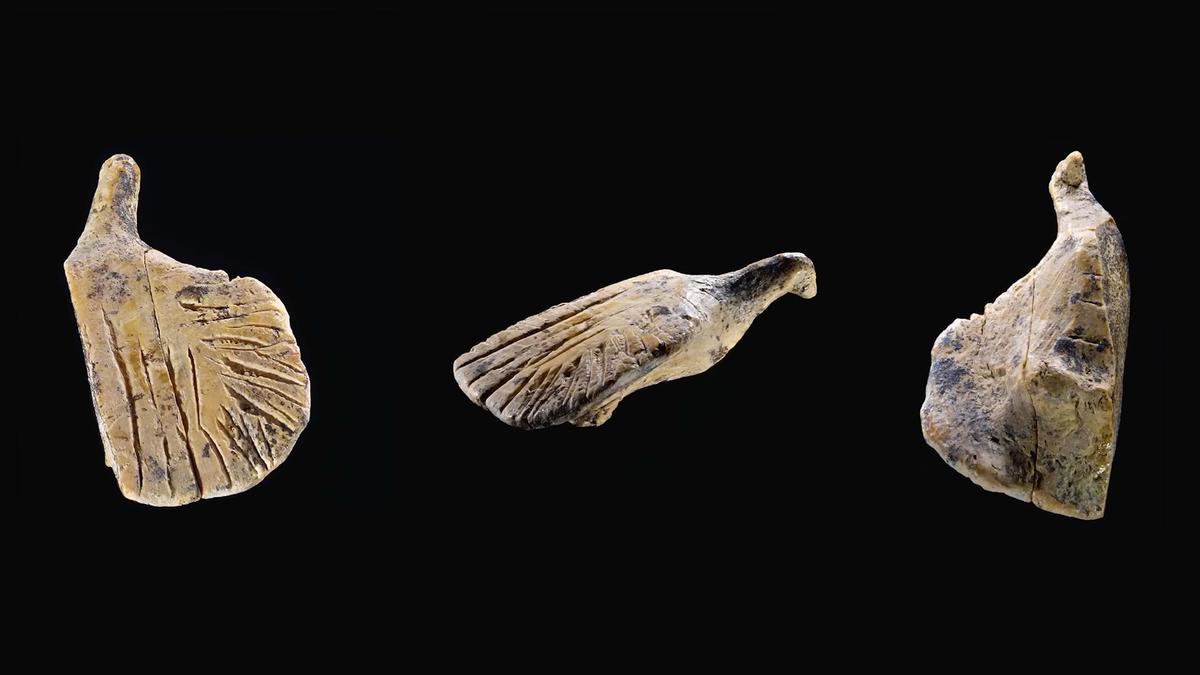
Tens of thousands of years ago someone in a German cave carved birds, which makes them birders of a sort. Aeon's short film uses the Hohle Fels finds to ask why our species thrived where Neanderthals faded, and suggests that making art was part of the answer. A quiet reminder that people have been looking hard at birds for a very long time.

An Aeon video explores the Hohle Fels cave in southern Germany and the bird figurines found there from the Ice Age. It considers what those objects say about the symbolic lives of early modern humans and the role art may have played in their success.

The whole run of Omni magazine, 1978 to 1995, on the Internet Archive

Posted by Captain Queso on Friday October 23, 2026 @1:54PM in Wildcard
from the future-as-it-used-to-be dept.

Omni was where hard science, airbrushed space art, very questionable parapsychology and genuinely great short fiction shared a binding. Gibson's early stories ran there, which is reason enough to go digging. Settle in; this is a long afternoon of retro-futurism.

The Internet Archive holds an archive of Omni, the US and UK magazine that mixed science articles, parapsychology and short science fiction and fantasy from 1978 to 1995. Kottke points to the collection.

Sputtering your own nixie-style display, one platinum segment at a time

Posted by Captain Queso on Friday October 23, 2026 @9:10AM in Wildcard
from the glow-your-own dept.

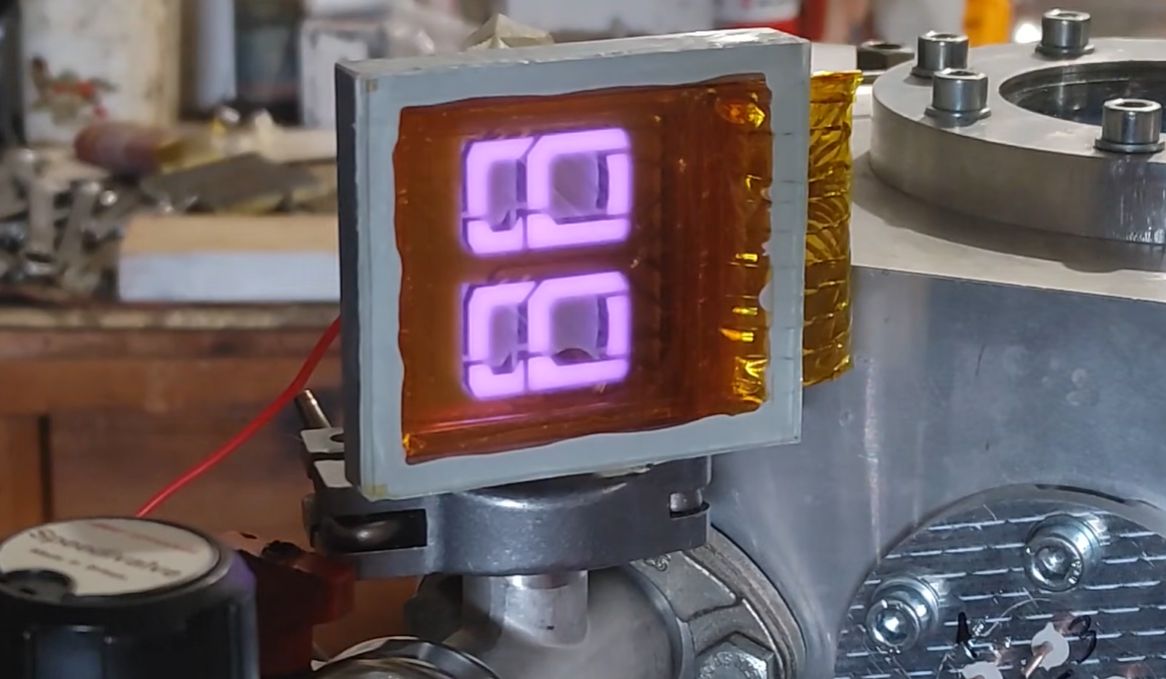
Most people buy their gas-discharge displays; this maker is coating the glass himself with a home sputtering rig. The first prototype glowed only inside the vacuum chamber and died once sealed, which is exactly the sort of honest failure that makes these projects worth following.

Witchcraft and Alchemy deposited titanium and then platinum cathodes on glass, added an ITO anode and an argon fill, and drove it with a classic 74141 nixie driver. The next version swaps epoxy for a gasket and argon for a Penning gas mixture, with the goal of a full seven-segment display. Hackaday's write-up summarises the maker's video.

How to read a QR code with a pencil and some patience

Posted by Captain Queso on Friday October 23, 2026 @3:23AM in Wildcard
from the human-barcode-scanner dept.

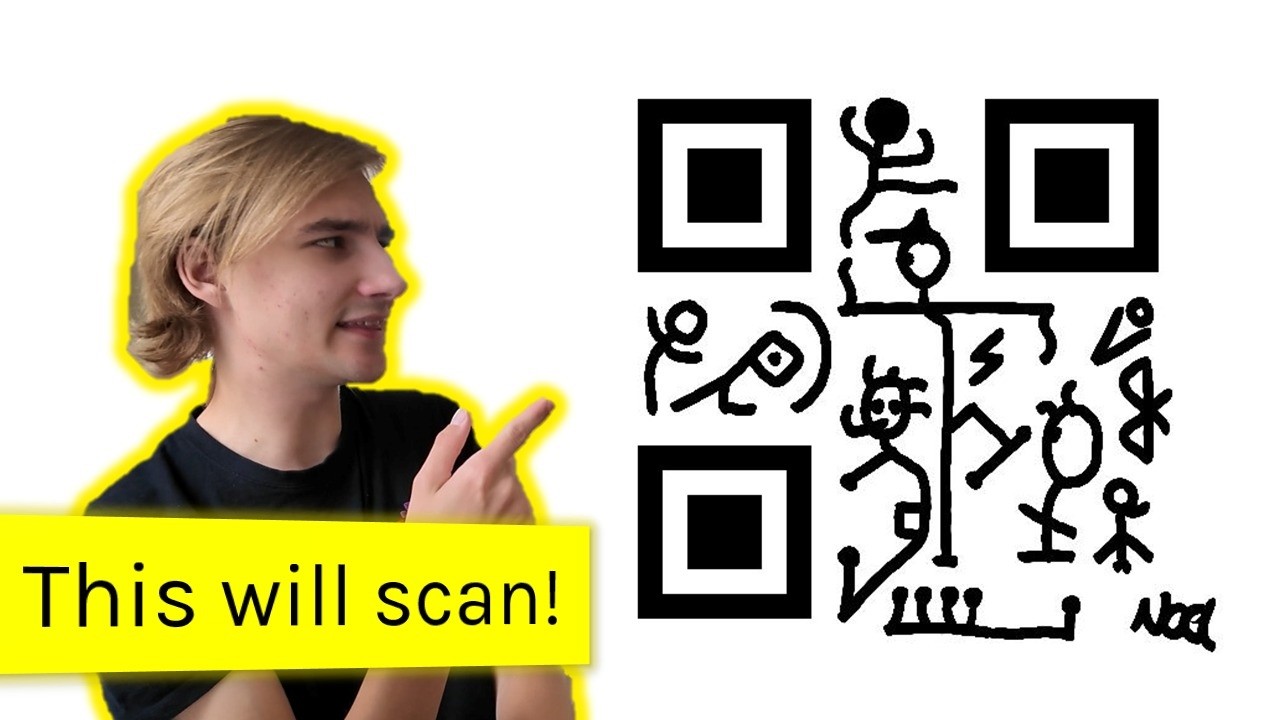
Strictly useless and completely delightful: decoding QR codes by hand, error correction and all. It is the same pleasure as reading a hex dump, and you come away understanding what the little squares are actually doing. The human-readable QR variant at the end is a fun twist.

Hackaday covers Noel Friedrich's guide to decoding small QR codes on paper, including how to undo the masking and use the error-correction layout, plus a side project that uses that error correction to hide readable text inside a working code.

Inside the Intel 8087: how the first PC FPU adds and subtracts

Posted by Captain Queso on Friday October 23, 2026 @1:46AM in Wildcard
from the carry-the-one dept.

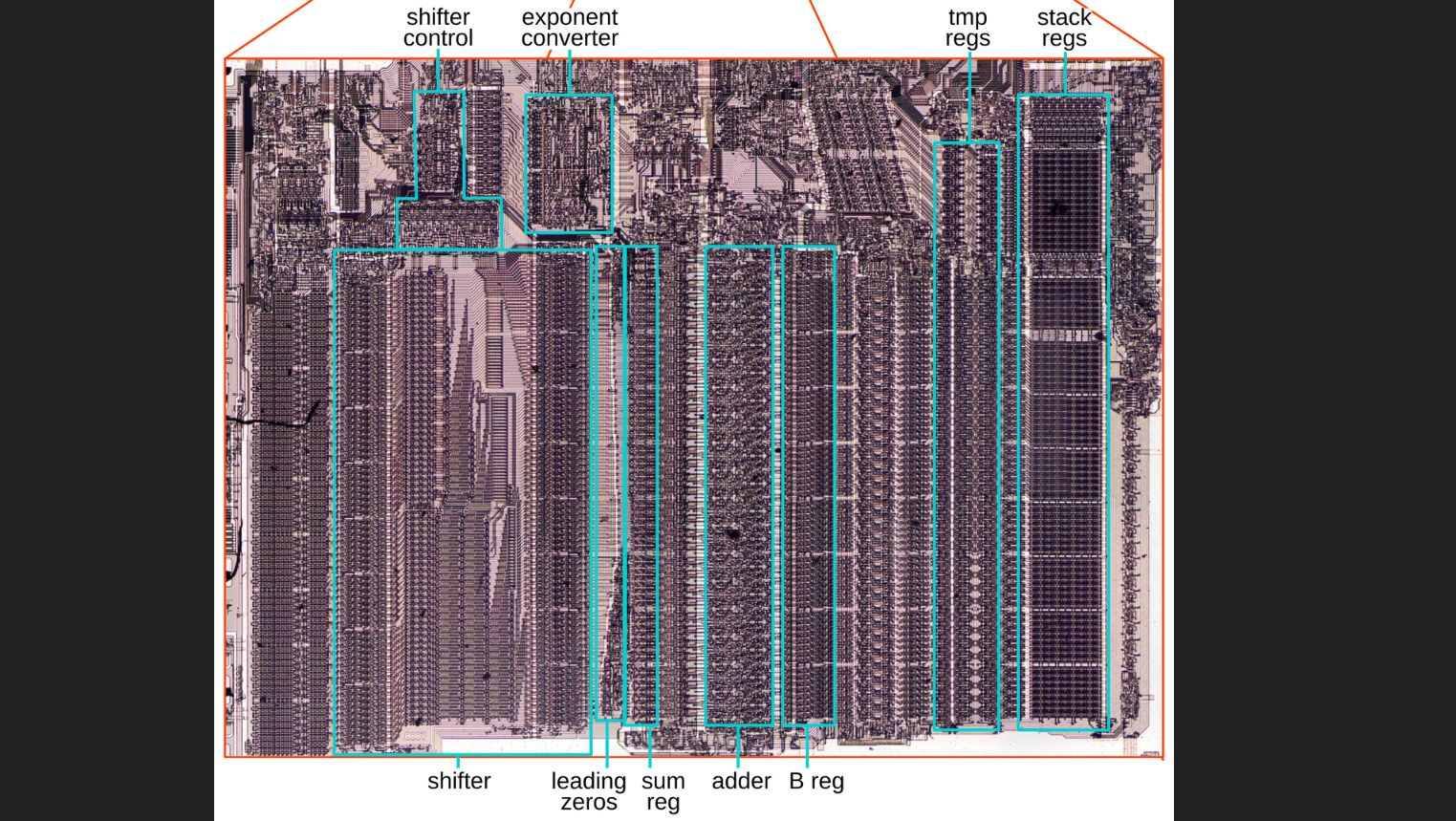
Ken Shirriff is back at the die photos, this time walking through the 8087's add and subtract microcode line by line. Systems people will enjoy the two-pass normalisation scheme and the candid description of the special-case handling as spaghetti. It is a reminder that IEEE floating point was hard-won silicon before it was a standard.

Using images of the chip and an extracted microcode ROM, the article traces how the 8087 handles 80-bit numbers through a wide integer adder, shifters and leading-zero detection, and how its microcode branches through the many edge cases floating-point arithmetic requires.
Read the rest of this story (Ken Shirriff's blog)

A 1,200-year-old mummified hairless dog from Peru

Posted by Captain Queso on Friday October 23, 2026 @1:42AM in Wildcard
from the good-boy-of-the-wari dept.

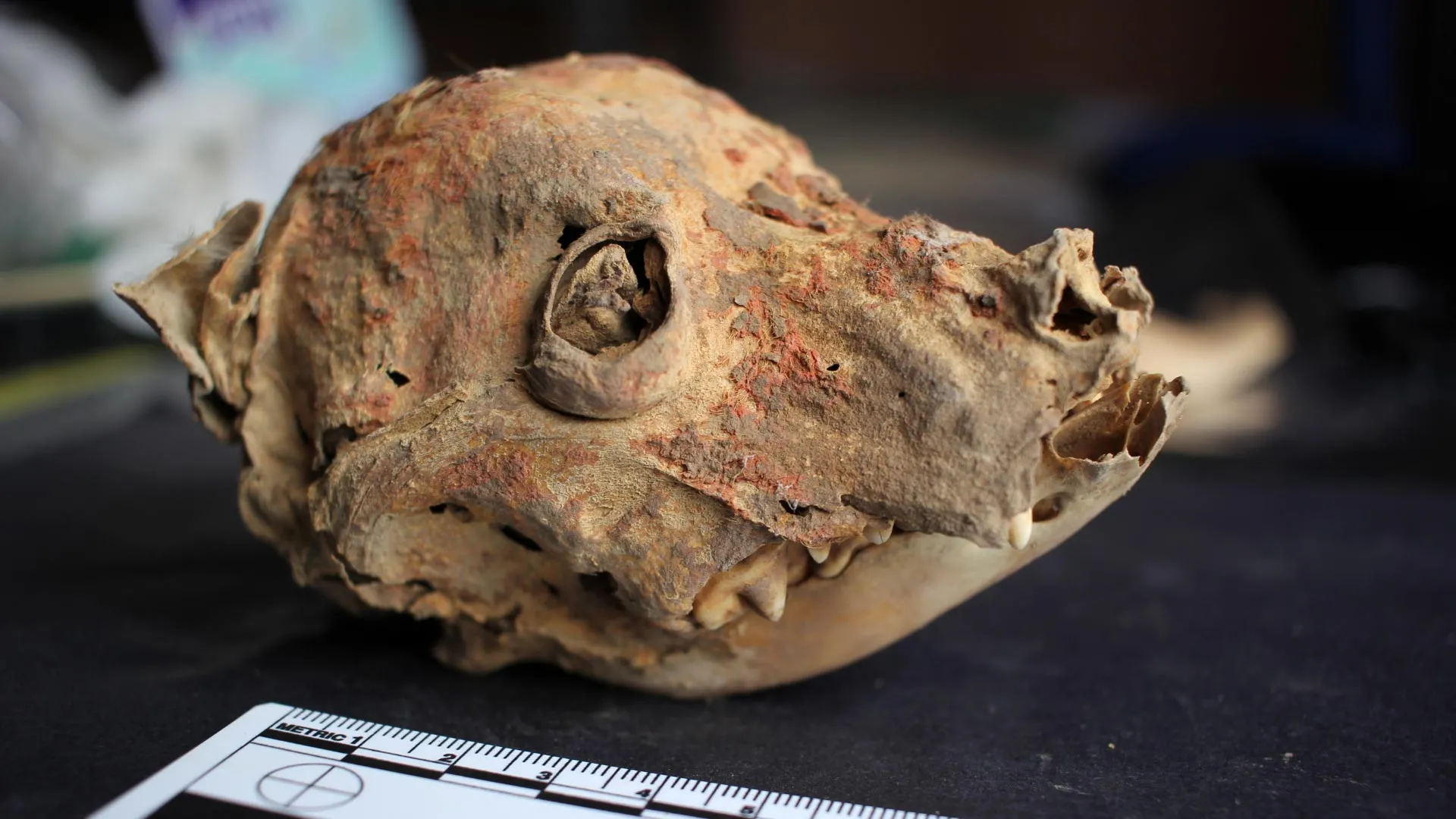
Archaeology with a wagging tail. The clever detail is that hairless dogs lack certain teeth because of the same gene, so even bare bones can reveal the breed. The diet results suggest these pups were fed more like children than like the other dogs.

Excavations at Castillo de Huarmey, a Wari-era site north of Lima, turned up remains of at least 19 dogs and a naturally mummified one, identified as Peruvian hairless dogs. Some puppies were buried with high-status people, and chemical analysis of their bones hints at deliberate breeding and special care.
Read the rest of this story (ScienceDaily (Dartmouth College))

The UNIX v4 tape that was hiding in a Utah storage room

Posted by Captain Queso on Friday October 23, 2026 @1:15AM in Wildcard
from the rm-rf-the-closet-carefully dept.

Every kernel hacker's archaeology dream: someone cleans out a room and finds a nine-track reel labelled with what may be the only surviving copy of Fourth Edition UNIX, the first one mostly rewritten in C. The story is worth it for the reminder of how much of our history lives on fragile media in forgotten cupboards.

A research associate in the University of Utah's Flux Research Group found the 1970s tape while clearing out a storage room in 2025. The team arranged to take it to the Computer History Museum for careful reading, noting that the hardware is scarce and old reels were often reused, so success was not guaranteed.
Read the rest of this story (University of Utah (@theU))

Tide-predicting machines: Kelvin's brass Fourier computers

Posted by Captain Queso on Friday October 23, 2026 @1:12AM in Wildcard
from the analog-before-it-was-cool dept.

Before anyone had a stored program, people were summing sine waves with pulleys and a wire to print a year of tides in under half an hour. It is a lovely piece of special-purpose hardware, and the American one, nicknamed Old Brass Brains, stayed in service into the 1960s.

Starting with William Thomson's 1872 design, these mechanical analog computers added up many tidal components, each set by gears turning at its own rate, to draw future tide curves for a port. Dozens were built worldwide, and they were used for jobs as serious as planning the D-Day landings.